

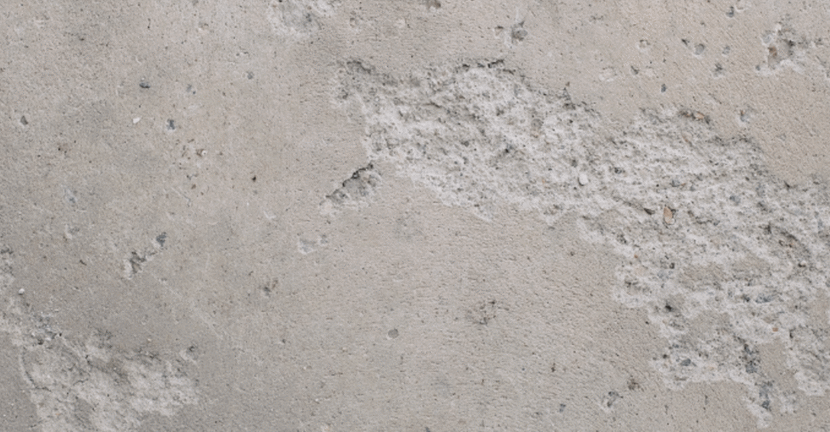
Concrete is one of the most widely used construction materials in the world, yet it remains highly vulnerable to environmental stress. Among the most damaging natural processes affecting concrete structures is the freeze–thaw cycle, a phenomenon especially critical in regions exposed to low temperatures, seasonal variations or sudden drops below freezing.
Understanding how the freeze–thaw cycle works, why it compromises durability and how chemical additives can protect concrete is essential for engineers, architects, manufacturers and companies focused on long-lasting performance.
What is the freeze–thaw cycle?
Water expands by approximately nine percent when it freezes. In porous materials like concrete, moisture absorbed into microscopic voids solidifies under cold conditions, increasing its volume. This internal expansion creates hydraulic pressure capable of:
- cracking the cement paste
• loosening the aggregate structure
• creating microfractures
• eroding the surface layer over time
When temperatures rise again, the ice melts and the concrete contracts. Repeating this process, sometimes dozens or hundreds of times per season, leads to progressive deterioration known as freeze–thaw damage.
The impact on concrete structures
If unprotected, concrete exposed to freeze–thaw cycles may present:
- surface scaling
• internal cracking
• loss of compressive strength
• delamination
• reduced structural stability
• premature need for repairs or replacement
This affects pavements, bridges, foundations, precast elements, industrial floors and virtually any structure exposed to moisture and temperature variation.
Environmental conditions intensify the problem, especially when the concrete is exposed to:
- high saturation levels
• de-icing salts
• poor drainage
• insufficient air entrainment
Failure to mitigate these risks can drastically reduce service life in cold climates or transitional seasons.
Why air-entraining additives matter
One of the most effective strategies to protect concrete from freeze–thaw damage is the incorporation of air-entraining admixtures. These additives intentionally create a system of microscopic, uniformly distributed air bubbles throughout the concrete matrix.
These microvoids function as safety chambers where freezing water can expand without generating destructive pressure. Increasing freeze–thaw resistance helps maintain structural integrity even under extreme environmental stress.
Advanced additives, including modern bio-based resins and engineered surfactants, allow precise control over bubble size, shape and distribution. This improves freeze–thaw durability as well as workability, mechanical performance and long-term cohesion.
How modern additives strengthen concrete performance
Contemporary air-control technologies offer advantages such as:
- stable air content during transportation and pumping
• improved resistance to cycles of freezing and thawing
• better surface quality
• enhanced long-term strength retention
• increased durability in the presence of de-icing salts
Incorporating the right additive is not simply a protective measure but an essential part of designing concrete that performs reliably throughout its lifespan.
Final considerations
The freeze–thaw cycle is one of the most challenging environmental factors affecting concrete durability. Understanding the science behind it and adopting protective solutions, especially air-entraining additives, is crucial for producing high-performance, long-lasting materials. By optimizing air structure, improving internal cohesion and enhancing resistance to environmental fluctuations, modern additives contribute directly to safer, more resilient and more sustainable construction.